How to Choose a Sofa in Malaysia
Buying a sofa in Malaysia? Measure your room, door and lift, compare fabric vs leather in our humidity, check foam and frame, and pick an L shape or modular sofa.
The delivery men are standing in the lift lobby, looking at you. The new sofa is wrapped in plastic, it is beautiful, and it will not fit through the front door. They try it on its side. They try it on its end. Eventually it goes back on the lorry.
This happens more often than you would think. A sofa is one of the biggest pieces of furniture most families buy, and also one of the easiest to get wrong. It has to fit the room, survive the humidity, stay comfortable for years and handle whatever kids, pets and guests throw at it.
Let us go through it in the order that actually matters, starting with the tape measure.
Step One: Measure More Than the Room
Most people measure the wall where the sofa will sit. That is a good start, but it is only one of several numbers you need.
The room. Measure the length of the wall and how far the sofa can come out into the room. Leave a comfortable walking path in front of it, and space for a coffee table that you can reach from the seat without stretching.
The path in. Measure every point the sofa must pass through on delivery day:
- The width and height of the main door and any grille
- Corridors and corners inside the home
- The lift door and the inside depth of the lift, for condos
- Staircases and the turn at the landing, for terrace houses and semi-D homes
The sofa itself. Ask for the width, depth, height and the diagonal depth. The diagonal is what lets a sofa tilt through a door that looks too small. If any part of the path is tight, ask whether the legs and arms can come off, or whether the sofa comes in sections.
Mark the sofa’s outline on the floor with masking tape and live with it for a day. You will quickly feel whether it blocks the walkway or the aircond airflow.
Step Two: Choose the Shape
Shape is about how your family sits, not just what looks nice in the showroom.
Three Seater
A straight three seater is the most flexible choice. It fits most condo living rooms, works against a wall or floating in the middle, and is easy to move when you change the layout. Add an armchair or ottoman if you need more seats.
L Shape Sofa
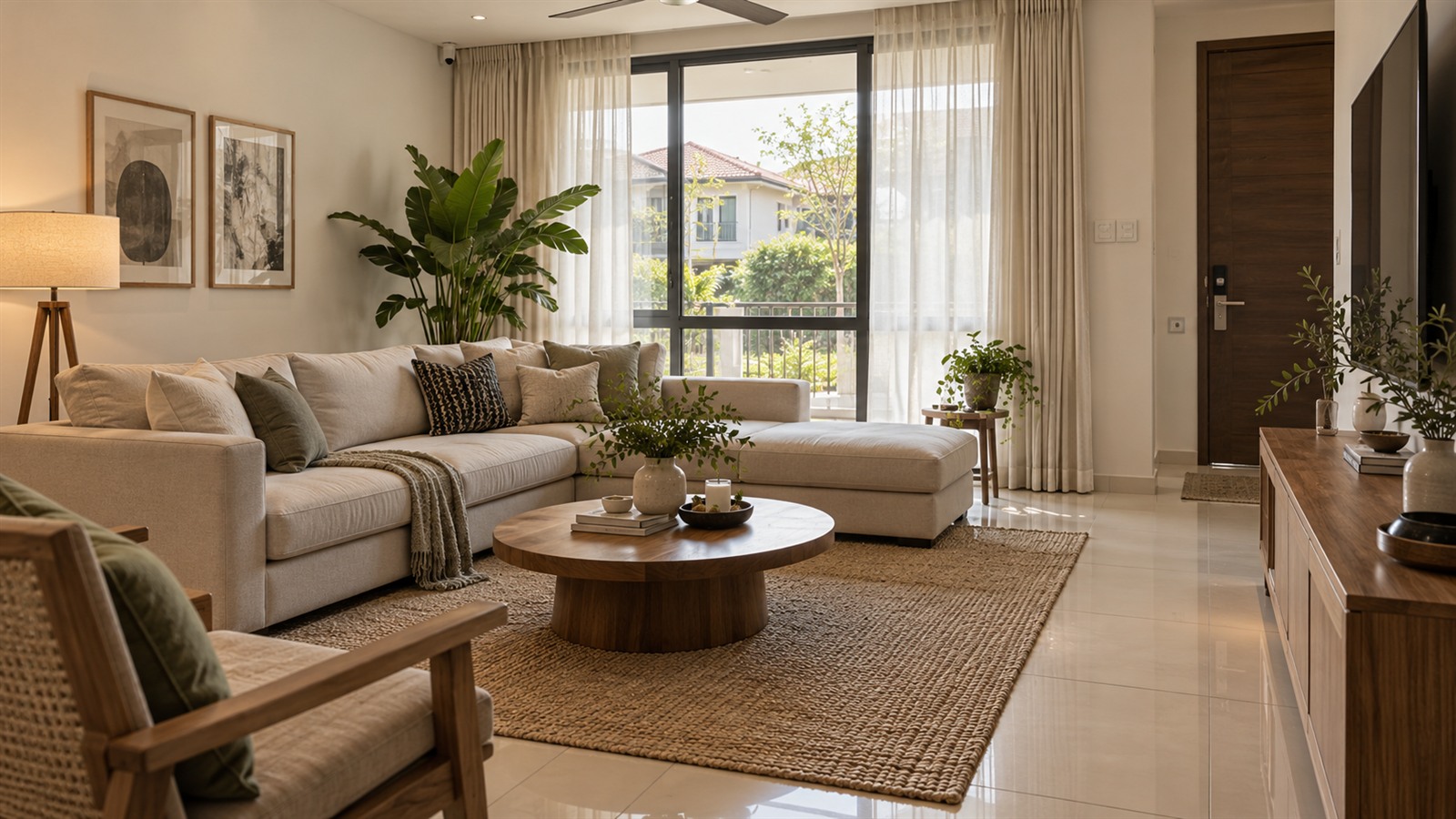
An L shape sofa gives lots of seating and a corner where someone can stretch out. It is great for families who watch movies together or have guests over often. It suits square rooms and open plan spaces where the L can define the living area.
The catch is flexibility. An L shape is built for one layout. Decide early whether the long side goes left or right, and check that it will still work if you move house. Many L shapes come with a chaise that can switch sides, which is worth asking about.
Modular Sofa
A modular sofa is made of separate pieces that clip together. You can make a long straight sofa today and an L shape next year. Modular pieces are also easier to carry up stairs and into small lifts, which is a big plus for high rise living.
Check that the connectors are strong. Cheap modular pieces can slide apart every time someone sits down.
Step Three: Fabric vs Leather Sofa in Our Climate
This is the question everyone asks, and humidity is the reason it matters so much here.
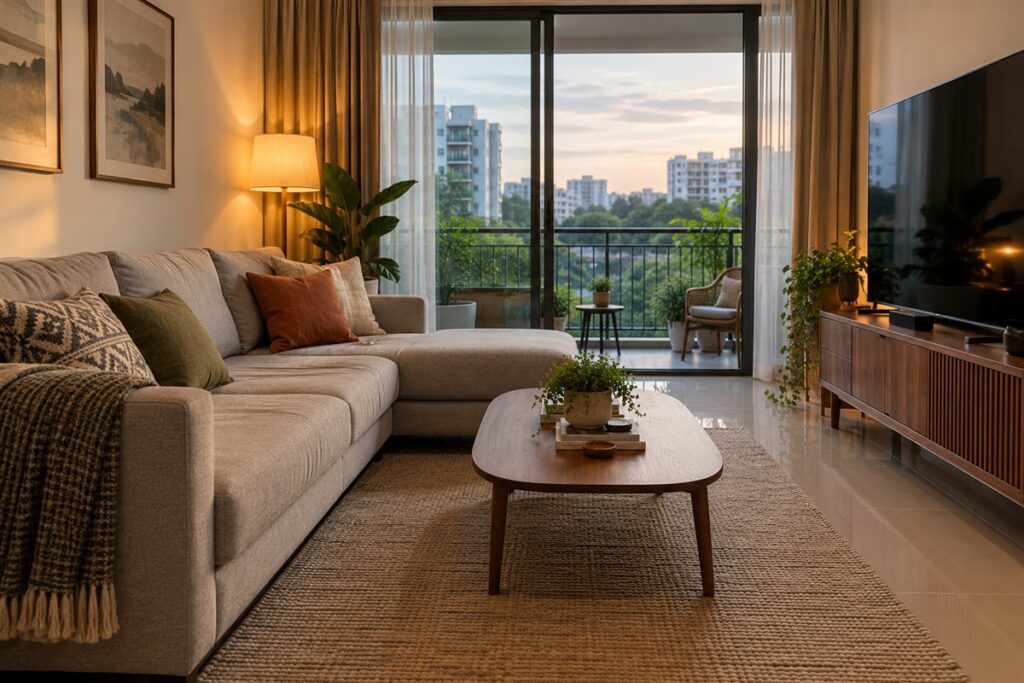
Fabric stays cooler to sit on, which is a real comfort in our heat, especially if the aircond is not always on. There are many colours and textures to choose from. On the downside, fabric can absorb spills, sweat and smells, and in humid homes it can collect dust mites. Choose tightly woven fabric, performance fabric that resists stains, and if possible removable covers you can wash.
Leather is easy to wipe clean and does not trap dust, which some people with allergies prefer. Good leather ages nicely. However, it can feel sticky on bare skin on hot days, and it needs care. In damp homes, leather can grow mould if the room is closed up for long periods, and in strong sun it can dry and crack. Wipe it regularly and apply a conditioner as the seller recommends.
Faux leather looks like leather and costs less, but lower quality types can peel over time, especially in heat and humidity. Ask how it is made and how long it is expected to last.
There is no right answer. Think about the room temperature, how often the aircond runs, and who will sit on it.
Step Four: Look Inside the Sofa
What you cannot see decides how long a sofa lasts. Ask the seller these questions, and do not be shy about it.
What is the frame made of? Kiln dried hardwood and solid wood frames are strong and stable. Frames made only from soft particle board can wobble and break. Lift one corner of the sofa. If the other end lifts too and nothing creaks, the frame is probably solid.
What supports the seat? Springs or strong webbing under the cushions give lasting support. Sit and bounce gently. You should not feel the frame through the seat.
What is the foam like? Higher density foam keeps its shape longer, while soft, light foam can sag within a year or two. Some seats wrap foam in a layer of fibre or feather for a softer feel. Ask whether the cushion covers have zips, so you can flip or replace the foam later.
How deep is the seat? A deep seat is lovely for lounging but can be hard for older parents to get out of. Sit with your back against the backrest. Your feet should rest flat on the floor and the edge of the seat should not press behind your knees.
Step Five: Plan for Kids and Pets
A sofa in a busy family home needs to be tough.
- Choose mid tones or patterned fabric that hide small stains
- Avoid loose weaves that cat claws can catch on
- Pick removable, washable covers wherever possible
- Go for sofas with legs high enough to clean underneath, or sitting flat on the floor so toys cannot roll under
- Look for rounded corners if you have toddlers
A throw or a fitted cover over the most used seat is a cheap way to protect the fabric between washes.
Step Six: Care That Keeps It Looking New
A little care goes a long way in our climate.
- Vacuum fabric sofas every week or two to remove dust and crumbs
- Flip and rotate cushions so they wear evenly
- Keep the sofa out of direct afternoon sun, which fades fabric and dries leather
- Leave a small gap between the sofa and the wall for air to move
- Deal with spills right away by blotting, not rubbing
- Air the room on dry days if it is often closed up
For deep cleaning, a professional sofa cleaning service can be worth it once in a while, especially for light colours.
Sofa Questions We Hear Often
What size sofa do I need for a condo?
Measure the wall and the walking space first. In many condos, a three seater or a compact L shape works best. Always check the lift and door sizes too.
Is fabric or leather better in Malaysia?
Fabric feels cooler and comes in more styles. Leather is easier to wipe but needs care in humidity. Choose based on your room, your aircond use and your household.
How long should a good sofa last?
It depends on the frame, foam, fabric and how it is used. A solid frame and dense foam last much longer than soft board and light foam.
What affects the cost of a sofa?
Size, frame material, foam quality, upholstery and whether it is made to order all play a part. Compare at least three written quotes or offers that list the same details.
Sit Down Before You Decide
Measure the room and the way in. Pick a shape that suits how you sit. Choose fabric or leather with our weather in mind, and check what is inside. Then sit on it for a good few minutes in the shop, the way you actually sit at home. If it still feels right, it probably is.