How to Choose a Renovation Contractor in Malaysia
Hiring a renovation contractor in Malaysia? Learn how to check past work, compare quotes line by line, set payment stages and protect yourself with a contract.
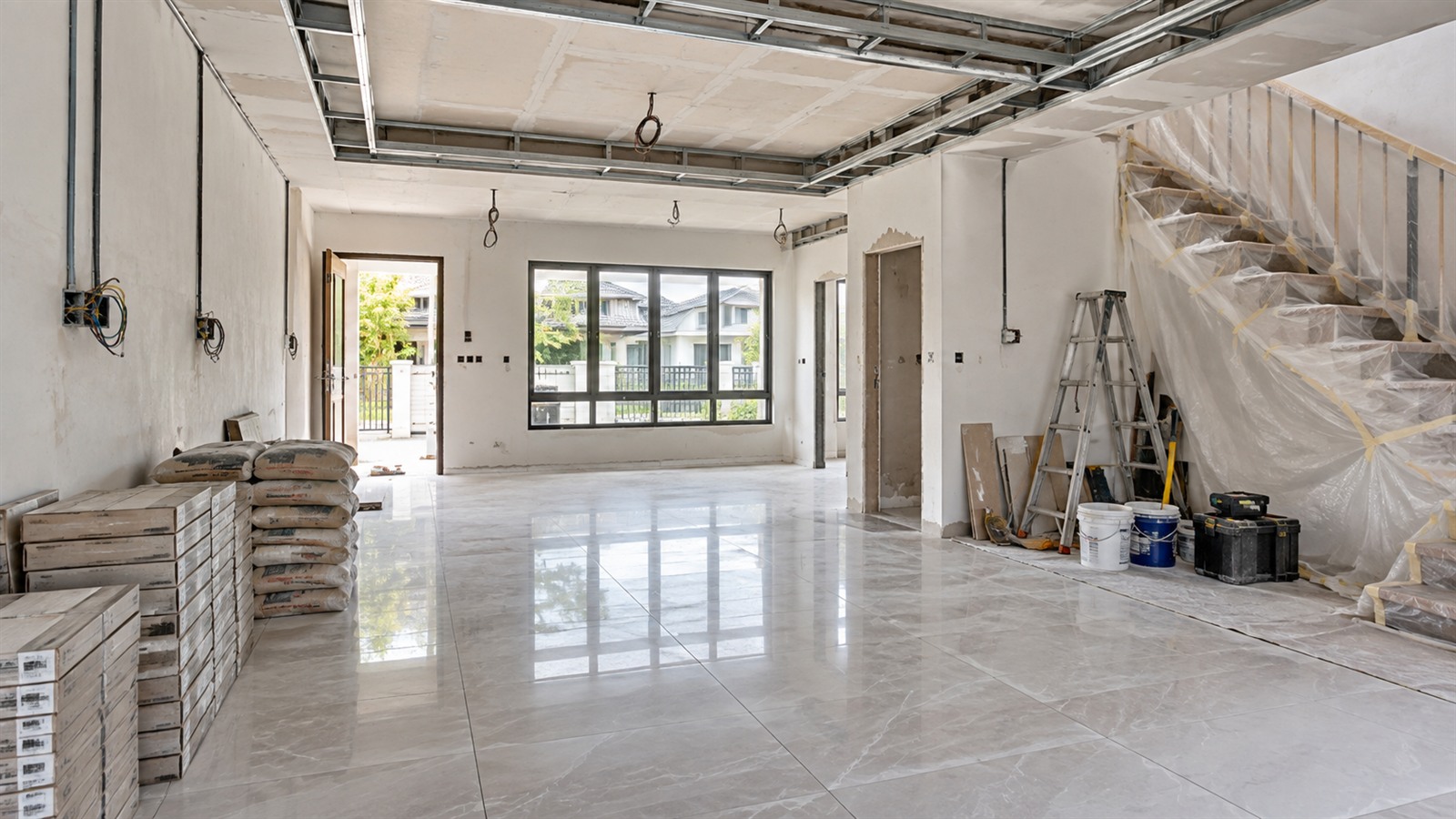
Almost everyone has heard a renovation horror story. The contractor who took a big deposit and then disappeared for weeks. The kitchen that leaked after the first month. The office fit out that ran so late the team had to work from a café.
Most of these problems start on day one, with the choice of contractor. The good news is that a few simple checks can save you a lot of money and stress. This guide is for homeowners and business owners alike, for anything from a condo kitchen to a full terrace house or a small office.
Know What You Want Before You Call Anyone
Contractors can only quote properly if they know what you want. A vague brief like “renovate the kitchen” will get you five very different prices that cannot be compared.
Before you contact anyone, write down:
- Which rooms or areas are included
- What you want removed, built or replaced
- The finishes you like, with photos if possible
- Your rough timeline and any fixed dates, such as a move in date or an office opening
- Rules from your condo management or building owner
If the job is large or involves design decisions, you may want an interior designer to prepare drawings first. Then every contractor quotes from the same plan.
Where to Find Contractors
Personal recommendations are still one of the best sources. Ask friends, family, neighbours in your condo and other business owners who renovated recently. Ask what went well and what they would do differently.
Online directories such as Renovation Pages let you browse contractors by area and type of work. Use them to build a shortlist, then do your own checks.
Aim for three to five names. Fewer than three makes it hard to compare. More than five becomes difficult to manage.
Check Their Past Work Properly
Photos on a website or social media page are a start, but they do not tell the full story.
Ask for recent projects similar to yours. A contractor who does great office partitions may not be the best choice for a wet kitchen, and the other way round.
Visit a finished site if you can. Look closely at tile joints, cabinet doors, paint lines and silicone around sinks. Neat details usually mean a careful team.
Speak to past clients. Ask if the job finished on time, if the final cost matched the quote, and how the contractor handled problems.
Check that the business is real. Ask for the company name, a proper office address and the person who will be responsible for your job. Keep a copy of these details.
Warning Signs at the First Meeting
The first site visit tells you a lot about how a contractor works. Pay attention to how they behave, not just what they promise.
A good contractor usually:
- Measures the space carefully and asks lots of questions
- Explains what is possible and what is not, even if it means less work for them
- Points out problems you had not noticed, such as damp walls or old wiring
- Gives you a realistic timeline instead of the fastest one
Be careful if a contractor:
- Gives a price on the spot without measuring
- Pushes you to sign and pay quickly to “lock in” a discount
- Avoids giving a written quote or a company address
- Says management approval is not needed without checking
- Talks badly about every other contractor you mention
Trust your instincts. You will be dealing with this person for weeks or months, so clear and polite communication matters as much as skill.

Get Written Quotes and Compare Line by Line
Never accept a single lump sum figure. A good quote lists every item, with quantity, material and unit.
Get at least three written quotes, and ask each contractor to price the same scope of work. Then put them side by side. Check each line:
- Are the same areas and items included?
- Are the materials and brands the same, or just “equivalent”?
- Who supplies the tiles, sanitary ware, lights and appliances?
- Is removal of debris and final cleaning included?
- Are electrical, plumbing and aircond works included, or separate?
A quote that looks much cheaper usually leaves something out. Those missing items often come back later as “variation orders” that push the total up.
What affects the cost? The size of the area, the materials, how much hacking and rebuilding is needed, changes to pipes and wiring, and how fast you need the work done. There is no standard price, which is exactly why careful comparison matters.
Agree on Payment Stages
How you pay is just as important as how much you pay. Avoid paying most of the money upfront.
A fair payment plan ties each payment to work that is finished and checked. A typical arrangement looks like this:
| Stage | When you pay |
|---|---|
| Deposit | When the contract is signed |
| Progress payment | After major works, such as hacking, plumbing and wiring, are done |
| Progress payment | After tiling, ceiling and carpentry are installed |
| Final payment | After handover and your defects list is fixed |
Discuss the amount for each stage with your contractor and write it into the contract. Pay by bank transfer and keep every receipt.
Put Everything in a Contract
A handshake is not enough. The contract, or a detailed signed quotation, should include:
- The full scope of work and the quote attached
- Start date and expected completion date
- The payment stages
- How changes and extra work will be priced and approved in writing
- Who is responsible for damage to your property or common areas
- The warranty period and what it covers
Read it carefully and ask questions before you sign. If something important is only promised by word of mouth, ask for it in writing.
Warranty and After Sales Care
Some problems only show up after you move in. A small leak under a sink, a cabinet door that drops or a crack in the plaster ceiling can appear weeks later.
Ask what warranty the contractor gives on workmanship, and how long it lasts. Also ask about warranties on items like waterproofing, appliances and hardware, which may come from the supplier instead. Get all of this in writing, and keep the contractor’s contact details somewhere safe.
Site Supervision Matters
Many renovation problems happen when nobody is watching. Ask who will supervise your site day to day, and how often they will be there.
- Agree on a main contact person who can make decisions
- Ask for regular updates with photos, especially if you cannot visit often
- Visit the site at key stages, such as before walls are closed up and before tiles go on
- Check waterproofing in wet areas before tiling starts
For offices, supervision is even more important because delays affect your business. Plan the works around your operating hours, and agree on a clear handover date.
Condo and Building Approval
If you live in a condo or rent an office in a commercial building, you will usually need approval from the management before any work starts. Many buildings ask for a renovation application, drawings, a deposit and proof of insurance, and they set rules on working hours, noise and lift use.
A good contractor will know this process and help you prepare the documents. For landed homes, larger changes such as extensions may need approval from your local council, so check early.
Before You Sign: Common Questions
Should I choose the cheapest contractor?
Not automatically. Compare what each quote includes. The best value is the contractor who gives a clear, complete quote and has good past work.
Is it better to hire a designer or go straight to a contractor?
For simple jobs, a contractor alone may be enough. For larger projects with many design decisions, a designer can prepare drawings and help manage the contractor.
What if the contractor asks for full payment upfront?
Treat it as a warning sign. A fair contractor accepts staged payments tied to finished work.
How do I handle changes during the project?
Ask for a written price for each change and approve it before the work is done. This avoids arguments at the end.
A Good Contractor Is Worth the Search
Choosing a renovation contractor in Malaysia takes time, but it is time well spent. Check their past work, compare quotes line by line, pay in stages, sign a clear contract and stay involved on site. Do this, and your home or office renovation is far more likely to finish on time, on budget and with work you are proud of.