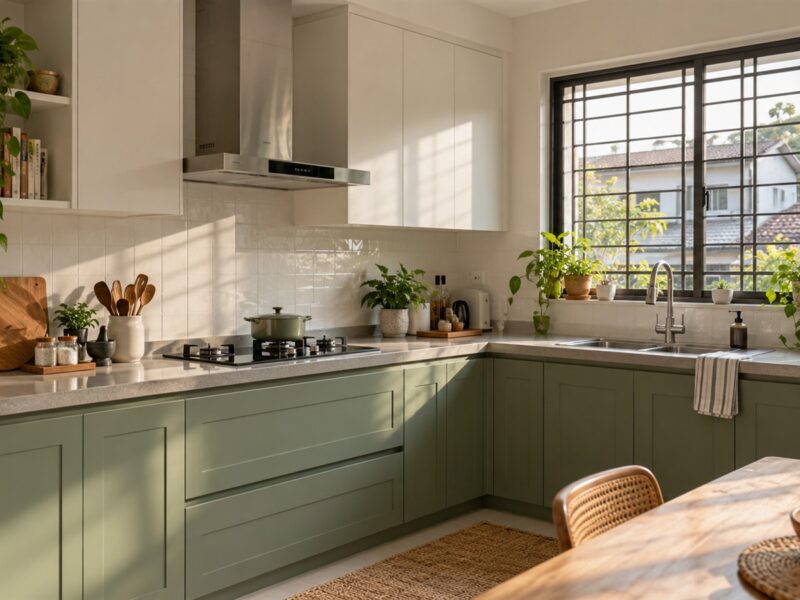
Kitchen Hood Guide: Choosing a Hood for Malaysian Cooking
Kitchen hood Malaysia guide: chimney, slim, island or built-in, ducted vs recirculating, suction for wok frying, filters, cleaning, height and size tips.
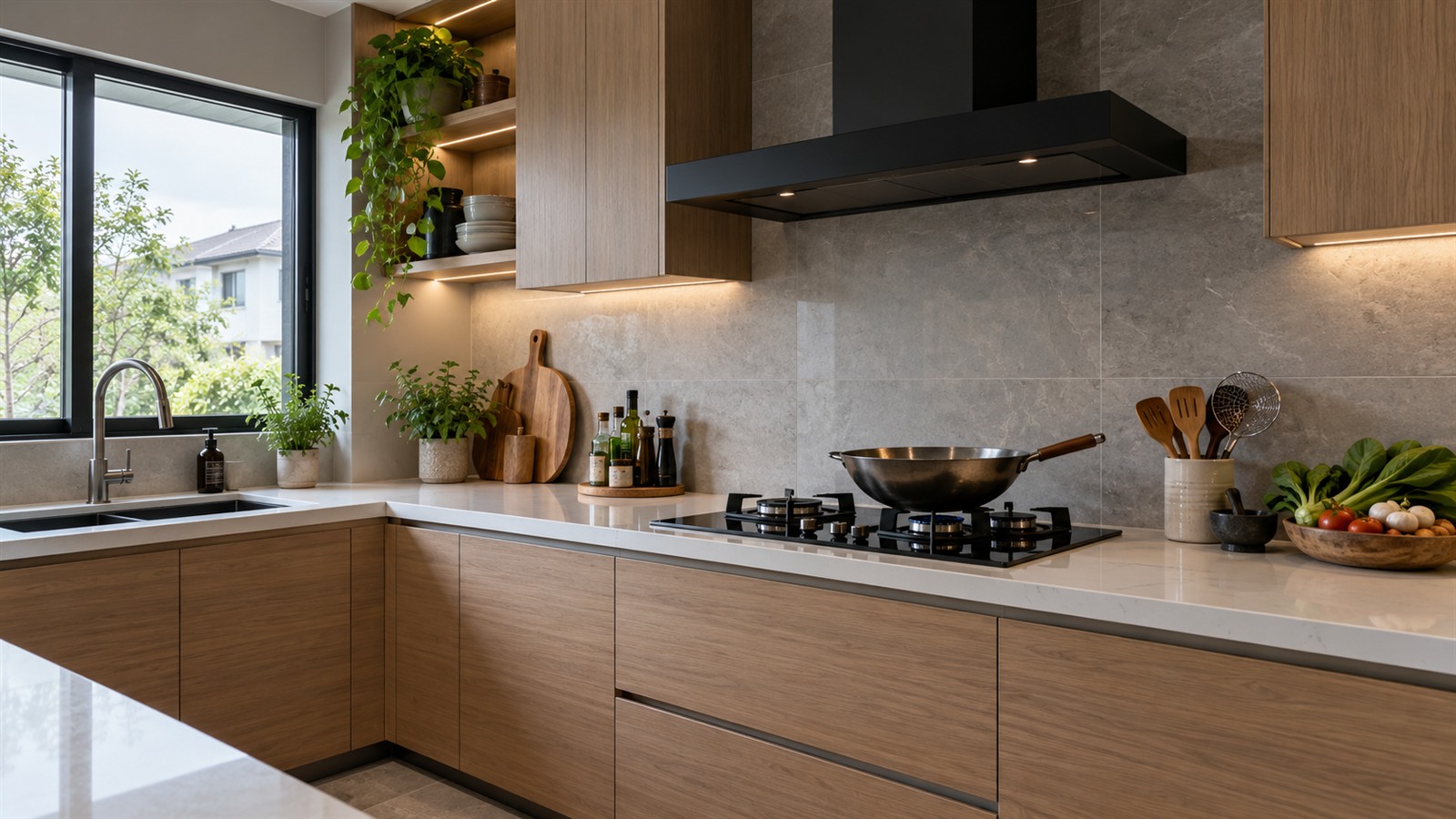
Fry a batch of ikan bilis for nasi lemak and you will know within minutes if your hood is up to the job. If the smell drifts into the bedrooms, if the ceiling above the hob turns yellow and sticky over the months, or if the smoke alarm complains every time you make sambal, the hood is losing the fight.
Our home cooking is tough on a cooker hood. High heat, lots of oil, chilli, belacan and long simmering soups all produce smoke, grease and steam in large amounts. A hood that works fine for boiling pasta in a cold country may struggle badly in a Malaysian kitchen.
This guide explains the main hood types, how to think about suction and ducting, and the small details that decide if your hood actually clears the air.
What Your Hood Has to Deal With
Before choosing, think about what happens on your hob most days.
- Heavy wok frying throws up a fast rising plume of smoke and fine oil. This is the hardest job for any hood.
- Deep frying creates a steady cloud of greasy vapour that sticks to walls and cabinets.
- Long boiling of soup, rice or herbal stews releases a lot of steam and moisture.
- Strong smells from fish, belacan and curry linger long after the cooking stops.
If you mostly do light cooking, almost any decent hood will cope. If you cook with a wok daily, you need to take the choice much more seriously.
The Four Main Hood Types
Chimney hood
The classic shape: a wide canopy over the hob with a tall chimney cover running up to the ceiling. Chimney hoods usually have the largest capture area and room for strong motors, which makes them a popular choice for wet kitchens and heavy cooks. They suit kitchens with a clear wall above the hob.
Slim hood
A thin, flat unit fixed under an upper cabinet. A slim hood takes up very little space and looks neat in a dry kitchen or a small condo. The trade off is a smaller capture area and often less power. It works well for light cooking, but many slim hoods struggle with daily wok frying.
Island hood
Hung from the ceiling over a hob set into a kitchen island. It looks dramatic in an open dry kitchen. However, with no wall behind it, smoke can escape from all sides and air currents from fans or aircond can push it away. Ducting through the ceiling also needs careful planning.
Built-in hood
Hidden inside an upper cabinet, with only a slim panel or pull out visor showing. A built-in hood keeps the kitchen looking clean and simple. Check that the cabinet is designed around it from the start, with space for the duct and good access for cleaning.
Ducted or Recirculating?
This choice matters as much as the hood type.
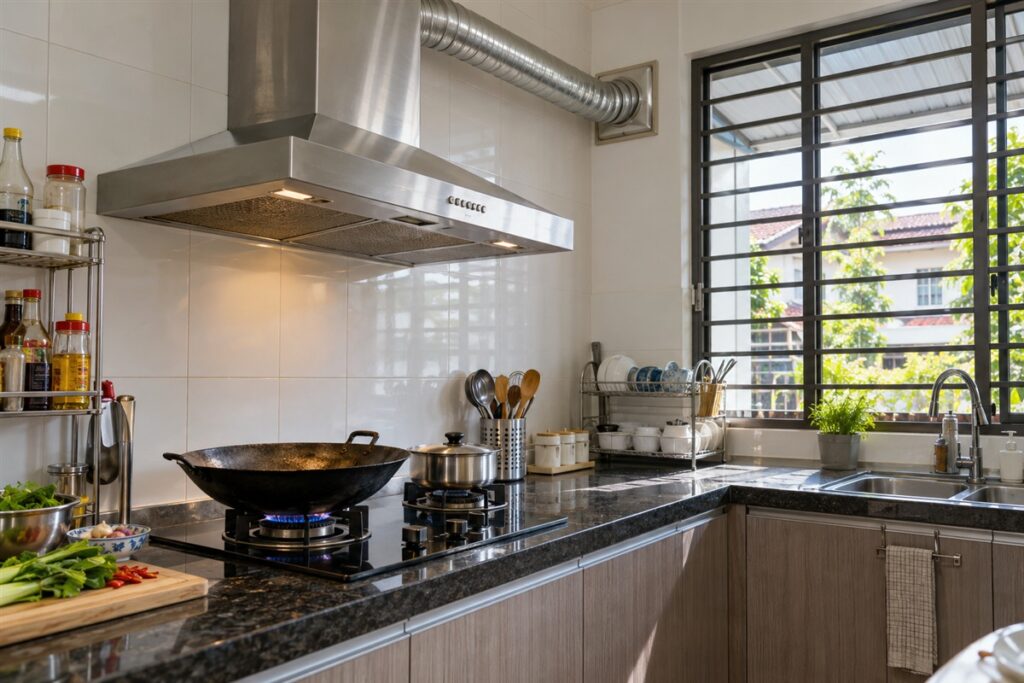
A ducted hood pulls smoke and grease out through a pipe to the outside of the building. It removes heat, moisture and smells completely. For Malaysian cooking, ducting outside is almost always the better option when it is possible.
A recirculating hood pulls air through grease filters and then a charcoal filter, and blows it back into the kitchen. It traps some grease and reduces smell, but it does not remove heat or steam. The charcoal filter also needs replacing regularly to keep working.
Recirculating hoods are mainly useful when ducting is not allowed or not practical, for example in some condos where you cannot make a new hole in the outer wall. If you are renovating, ask early about where a duct could go. Your condo management will have rules about this.
Getting the Suction Right
Kitchen hood suction is often printed as a big number on the box, and it is tempting to buy the highest one you can find. A few points worth knowing:
- The figure on the box is usually measured in ideal conditions. Real performance drops once the hood is installed with a duct, bends and a wall outlet.
- A long duct with many bends reduces airflow. A short, straight route performs better than a powerful motor fighting a messy duct.
- Duct size matters. A duct narrower than the hood outlet will choke the airflow and make the hood noisier.
- More power often means more noise. Check the noise level at the speed you will actually use, not just the lowest setting.
For heavy wok cooking, choose a hood with strong suction and a good capture area, then give it the shortest and widest duct route your kitchen allows. Ask the seller or installer to explain how the hood will perform with your actual duct route.
Width and Height Above the Hob
Width. The hood should be at least as wide as your hob. Wider is better for wok cooking, because the smoke plume spreads out as it rises.
Height. A hood mounted too high lets smoke escape around the sides. One mounted too low gets in the way and can be a fire risk. Every hood comes with a recommended installation height range in its manual, and it is different for gas and induction. Follow it, and make sure your contractor reads it before fixing the power point and brackets.
Plan this during the renovation. The power point, the duct opening and the upper cabinets all need to line up with the hood position.
Filters and Cleaning
Grease filters catch the oil before it reaches the motor and the duct. There are two common kinds.
Baffle filters are made of angled metal plates that force air to change direction, so oil drops out. They handle heavy frying well and are easy to wash.
Mesh filters use layers of fine aluminium mesh. They work, but clog faster with heavy oil and need more frequent cleaning.
Whichever you have, clean the filters regularly. A clogged filter cuts suction badly and can drip oil back onto the hob. Many filters can be soaked in hot water with dishwashing liquid or degreaser. Check the manual before putting them in a dishwasher.
Also wipe the outside of the hood often, check the oil cup if your model has one, and replace charcoal filters on schedule for recirculating hoods.
Controls, Lights and Noise
Small features make a big difference in daily use. Simple push buttons are easier to clean than touch panels that get oily fingerprints, although touch panels look sleeker. A timer that keeps the hood running for a few minutes after you switch off is handy. Bright, warm lights under the hood help you see the colour of your food. Before buying, ask to hear the hood running at its highest speed in the shop, because that is the speed you will use most when frying.
Tips for Better Results Every Day
- Switch the hood on a few minutes before you start cooking, so the airflow is already moving.
- Leave it running for a while after you finish to clear lingering smell.
- Cook on the back burners when possible, as they sit more directly under the hood.
- Close nearby windows that create cross breezes pushing smoke away from the hood.
- Turn off ceiling fans near the hob while frying.
Kitchen Hood Questions
Can a slim hood handle wok frying?
Some can manage occasional frying, but most slim hoods have a smaller capture area and less power. If you cook heavy dishes daily, a chimney hood with a duct is usually a safer choice.
Is a recirculating hood good enough for a condo?
It is better than nothing, but it does not remove heat or steam. If your building allows ducting, choose that. If not, keep the charcoal filter fresh and add a window or exhaust fan if possible.
How often should I clean the filters?
It depends on how much you fry. Heavy cooks may need to clean them every couple of weeks. If you see oil building up or suction getting weaker, it is time.
Do I need a hood in the dry kitchen too?
If you only make drinks and light meals there, a slim hood or none at all may be fine. If you cook on an induction hob in the dry kitchen often, a small hood helps keep oil off nearby cabinets.
Clear Air, Cleaner Kitchen
The right kitchen hood in Malaysia is the one that matches how you really cook. Choose a type that suits your space, duct it outside wherever you can, keep the duct short and straight, mount it at the right height and keep the filters clean. Get those basics right and your kitchen, your ceiling and the rest of your home will stay fresher for years.