Kitchen Renovation Guide for Malaysian Homes
Planning a kitchen renovation in Malaysia? Learn the right order of work, what to replace first, how to cope without a kitchen and how to compare quotes.
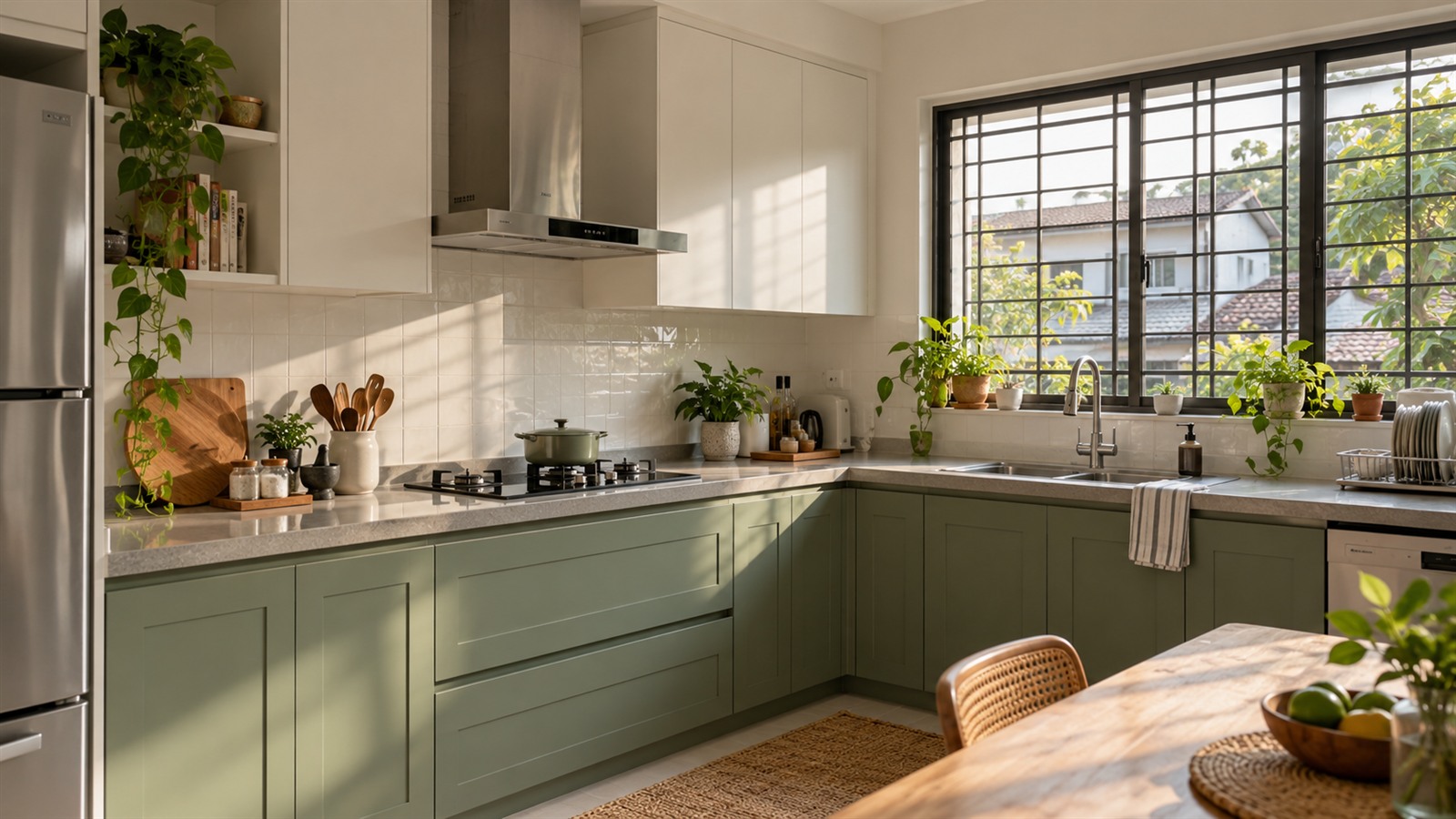
The cabinet under the sink has gone soft and smells of damp. The hood drips oil onto the hob. Two sockets stopped working last year and the rice cooker now runs on an extension cord that snakes across the counter. Sound familiar? That is usually the moment a family decides it is time for a kitchen renovation.
The good news is that a kitchen remodel is one of the most rewarding jobs you can do in a home. The less good news is that it is also one of the easiest to get wrong, mostly because work happens in the wrong order. New cabinets go in before the old pipes are checked. A beautiful top is installed, and then the electrician needs to cut into the wall behind it.
This guide walks through how to renovate your kitchen in a sensible order, from the first idea to the day you cook your first meal.
Start With What Is Broken, Not What Is Pretty
Before you look at cabinet colours, open every door and look under every sink. Write down what is actually wrong.
- Leaks, stains or swelling under the sink
- Slow drains or a smell from the floor trap
- Sockets that spark, feel warm or don’t work
- A hood that is weak, noisy or not ducted outside
- Cracked or hollow tiles that sound different when you tap them
- Doors and drawers that sag or will not close
This list becomes the base of your plan. The hidden problems behind walls and under floors must be fixed first, because once the new kitchen is in, reaching them again means tearing out work you just paid for.
The Order of Work That Saves Money
Most kitchen renovation projects in Malaysia follow roughly the same sequence. Your contractor may shuffle a step or two, but if the plan looks very different, ask why.
Stage 1: Measure, plan and decide the layout
Decide where the sink, hob, fridge and oven will go before anything is hacked. Moving the sink or hob changes the plumbing, gas and ventilation, so these choices drive everything after. If you are keeping the same layout, the job is simpler and usually faster.
Stage 2: Hacking and removal
Old cabinets, tops and tiles come out. If walls are being moved or opened up to join the kitchen with the dining area, this is when it happens. Expect dust everywhere, even in rooms far from the kitchen. Cover furniture and seal doors with plastic.
Stage 3: Pipes and drainage
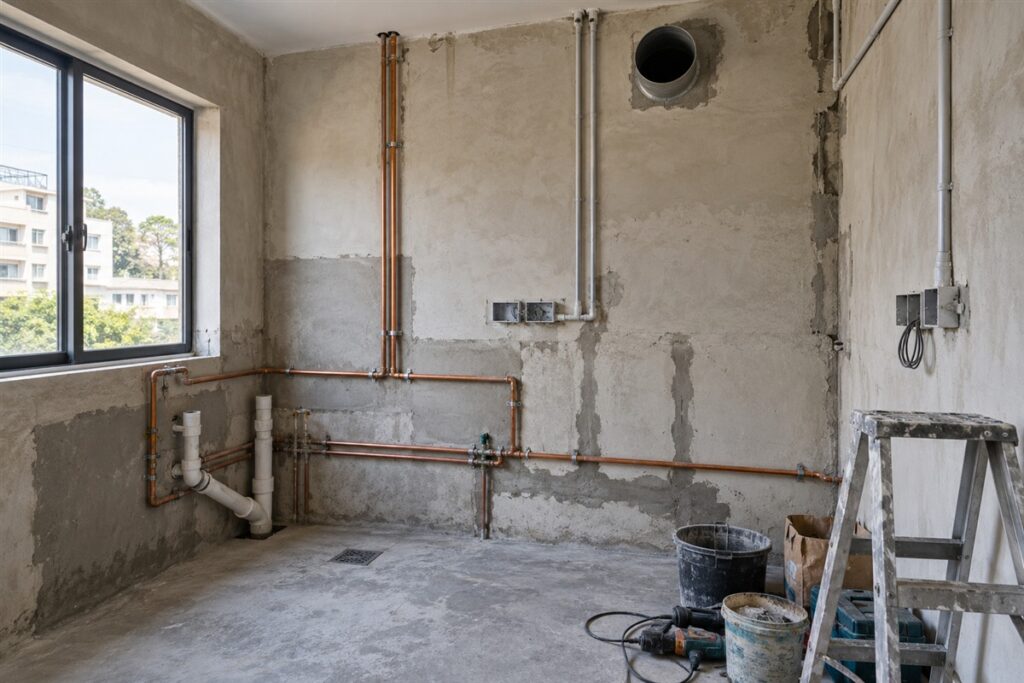
With the walls and floor open, this is the best chance to replace old water pipes and check the drain. In older terrace houses, pipes can be decades old. Replacing them now costs far less than breaking a new backsplash later. If the floor is being redone, ask for a proper slope towards the floor trap.
Stage 4: Wiring and power points
Plan more sockets than you think you need. Think about the rice cooker, kettle, air fryer, blender, microwave, dishwasher and a phone charger. Each heavy appliance should have its own point. Under cabinet lights and the hood also need power. All of this wiring goes in before plastering and tiling.
Stage 5: The hood point and ducting
The hood needs a power point at the right height and, for wok cooking, a duct to the outside. Decide on your hood type early, because the duct route and the hole through the wall must be ready before upper cabinets go up. In a condo, ask your management where you are allowed to vent.
Stage 6: Plaster, tiles and floor
Walls are patched, floors are laid and the backsplash area is prepared. Some homeowners skip the backsplash tiles and use the countertop material instead. Either works, but the wall must be flat and dry first.
Cabinets, Tops and Appliances Come Last
Only now do the carpenters arrive. Base cabinets go in, then the countertop is measured on site and fabricated. This is why the top often arrives a while after the cabinets. The fabricator needs the real cabinet sizes, not the drawing.
After the top is fixed, the sink and hob are cut in, the plumber connects the taps, and upper cabinets and the hood are installed. Appliances, lights and final touches come at the end.
A few tips for this stage:
- Check that the cabinet carcass material suits a damp area, especially under the sink
- Ask for soft close hinges and drawers that can carry heavy pots
- Confirm the sink and hob models before the top is cut, so the holes fit
- Leave a gap or a removable panel where you may need to reach a valve later
Living Without a Kitchen for a While
This is the part nobody plans for. Depending on the size of the job, you could be without a working kitchen for some weeks. A few ideas from families who have been through it:
Set up a mini kitchen elsewhere. A small table in the dining room or yard with a kettle, microwave, rice cooker and a portable induction hob covers most simple meals.
Use paper plates without guilt. Washing up in a bathroom sink gets old very fast.
Plan around the dusty days. Hacking is the noisiest and dirtiest stage. If you can stay with family or work from somewhere else for those days, do it.
Keep the fridge running. Move it to the living room or a corner where it stays plugged in. Ask the contractor not to switch off its circuit without warning.
Tell the neighbours. In terraces and condos, a friendly heads up about noise and lorries goes a long way.
Getting Quotes You Can Actually Compare
Never take the first quote. Get at least three written quotes, and make sure each one lists the same items in the same way. One contractor may include hacking and debris removal while another quietly leaves it out. One may quote cabinets by the foot run while another gives a lump sum.
Ask each contractor to break the quote into:
- Hacking, removal and disposal
- Plumbing and drainage work
- Electrical work and number of new points
- Hood ducting and wall opening
- Tiling and flooring
- Cabinets, with the material named
- Countertop, with the material and thickness named
- Installation of sink, hob, hood and taps
The cost itself depends on the size of your kitchen, how much you change the layout, the materials you pick and how much hidden repair work turns up. Old pipes and hollow floor tiles are common surprises, so keep some money aside for them.
If you need a place to start your search, Renovation Pages is a Malaysian directory where you can compare kitchen renovation contractors and see who works in your area. Then check past work, visit a finished kitchen if you can, and read the payment terms carefully before you sign.
Rules to Check Before Day One
If you live in a condo, speak to the management office before any work starts. Most buildings have rules about working hours, hacking, moving water points, venting through the facade and where debris can be stored. Some need a deposit and a signed form.
For landed homes, simple changes inside the kitchen are usually straightforward, but extending the kitchen outwards or changing the structure may need approval from your local council. A good contractor will tell you when this applies.
Kitchen Renovation Questions
How long does a kitchen renovation take?
It depends on how much changes. Swapping cabinets on the same layout is fairly quick. Moving the sink, hacking walls and redoing floors takes longer. The countertop wait often decides the final finish date, so ask your contractor for a timeline with each stage listed.
Can I keep my old tiles and only change cabinets?
Yes, if the tiles are in good shape and not hollow. Tap them to check. Just remember that new cabinets may not cover the exact same area, so you may see gaps or unmatched tiles at the edges.
Should I buy my own appliances?
Many homeowners do. Give the contractor and carpenter the exact sizes and installation guides before cabinets are built, so the spaces fit.
Is it worth replacing pipes if nothing is leaking?
In an older home, often yes. The walls are already open, and the cost of doing it now is much lower than breaking a new kitchen later.
Cook in It Before You Pay the Last Bit
Before the final payment, use the kitchen for a few days. Run the taps, fill the sink and check under it for drips. Switch on every socket, light and the hood at full speed. Open every drawer when it is full. Small faults are easy to fix while the contractor is still on the job, and much harder once they have moved on.
A kitchen renovation done in the right order gives you a room that works quietly in the background for many years. Fix the hidden things first, plan the power and the hood early, and let the pretty parts come last.