Wainscoting Ideas: Wall Panels for Malaysian Homes
Planning wainscoting at home? See popular wall panel styles, where to use them, which materials handle Malaysian humidity, plus paint and installation tips.
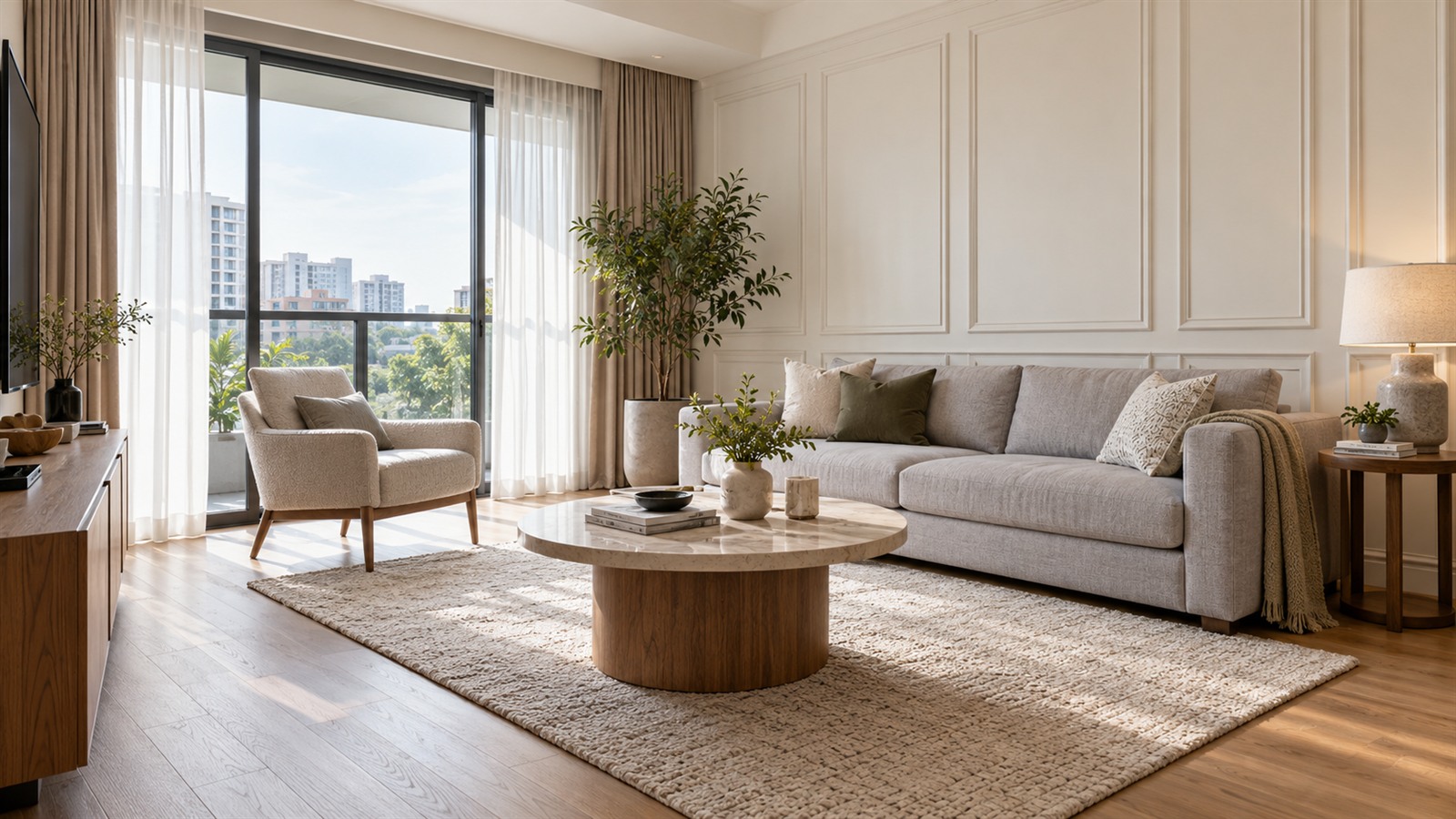
Picture a new condo living room. The sofa is lovely, the lights are warm, yet the room still feels flat. The problem is the walls. Four plain white surfaces with nothing to catch the eye.
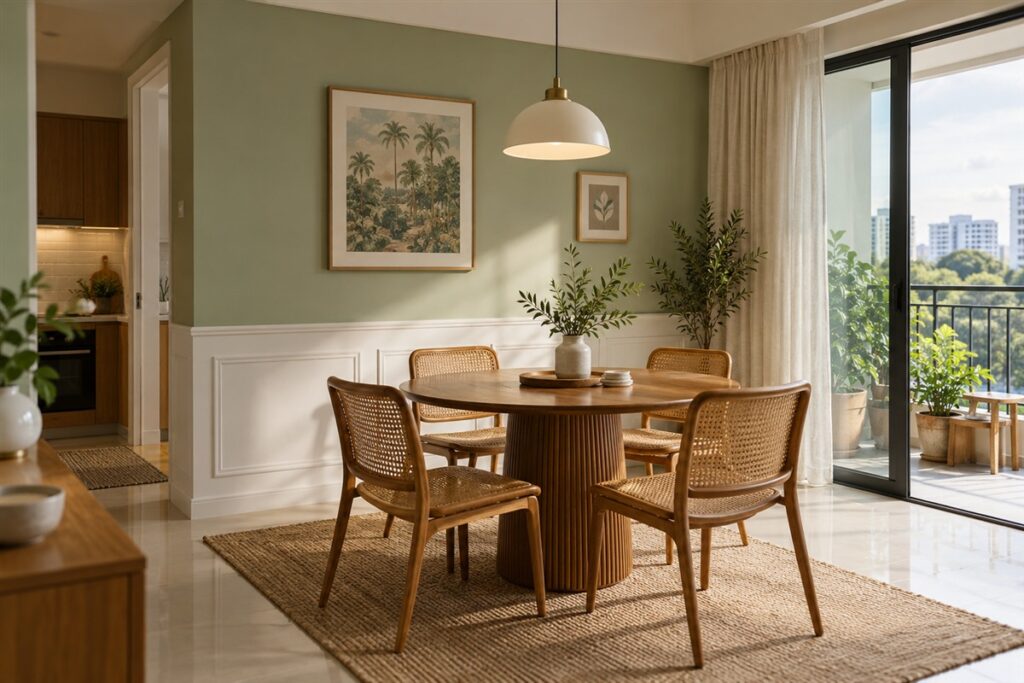
Now add simple box mouldings to the lower half of one wall and paint them a soft sage green. The same room suddenly looks finished, like something from a boutique hotel.
That is the quiet power of wainscoting. It adds shape and shadow to a wall without taking up floor space. In this guide, we look at the styles that work well in Malaysian homes, the rooms where panels make sense, and the materials that will survive our humid weather.
A Quick Word on What Wainscoting Means Today
Traditionally, wainscoting was wooden panelling on the lower part of a wall. It protected plaster from knocks and damp in old European houses.
Today, the word covers almost any decorative wall panel design. It can run along the bottom third of a wall, stop at chest height, or go all the way to the ceiling. Some designs use real raised panels. Others are just thin strips of moulding glued onto a flat wall and painted to look like panels.
In Malaysia, most people say “wainscoting” when they mean the classic box or frame look, often seen in modern classic and French style interiors. But the idea is flexible, and it suits many styles.
Styles Worth Considering
Box Moulding
This is the most common wainscoting design in local homes. Rectangles of thin moulding are fixed to the wall, then painted the same colour as the wall. The shadows created by the edges do all the work.
Box moulding suits living rooms, bedrooms and dining areas. It is also one of the easiest styles to install, so it is a good starting point.
Raised and Flat Panels
Raised panels have a thicker centre that sits forward from the frame. Flat panels keep the centre level with the wall. Both look more solid and traditional than simple box moulding.
These work best in larger landed homes with higher ceilings, such as a semi-D or bungalow. In a small condo, deep raised panels can make the room feel heavy.
Beadboard and Vertical Grooves
Beadboard uses narrow vertical boards with small grooves between them. It feels relaxed and a little coastal. It is a nice choice for a powder room, a laundry corner or a child’s bedroom.
Board and Batten
Wide flat boards with thin strips covering the joints create a bold grid. This style looks modern and slightly rustic. It works well on a bedroom wall behind the bed or along a staircase.
Full Height Panelling
Instead of stopping halfway, the panels run from floor to ceiling. This makes a room feel taller and more formal. It is popular for a master bedroom feature wall or a dining room in a landed home.
Where Wainscoting Works Best
Not every wall needs panels. Pick spots where people will notice them, or where the wall takes a lot of wear.
- Living room: One wall, often behind the sofa or the TV, is usually enough.
- Dining area: Panels at chair height protect the wall from chair backs.
- Bedroom: Behind the bed, panels can replace a bulky headboard.
- Corridor and staircase: These walls get bumped by bags, shoulders and hands, so panels help hide marks.
- Foyer: A panelled entrance wall makes a strong first impression.
For bathrooms and wet kitchens, think carefully. Only waterproof materials should go anywhere near direct water or steam.
Choosing Materials for Malaysian Humidity
This is the part many homeowners skip, and later regret. Our air is warm and damp most of the year. Walls on the ground floor of landed homes can also pick up moisture from below. The wrong material can swell, crack or grow mould.
Here is a simple comparison of the common options.
| Material | Strengths | Watch out for |
|---|---|---|
| MDF | Smooth, easy to cut, takes paint well | Swells if it gets wet; needs sealing on all sides |
| PVC | Waterproof, light, does not rot | Can look plastic if poorly finished; edges need care |
| PU (polyurethane) | Light, detailed shapes, handles damp well | Higher cost than basic options |
| Plaster mouldings | Classic, crisp detail, fits plaster ceilings | Heavier; can chip; needs skilled hands |
MDF
MDF is popular because it is easy to work with. It gives a smooth finish once painted. For dry rooms like bedrooms and living rooms, it is usually fine. Ask for moisture resistant board if possible, and make sure every cut edge is primed and painted.
Avoid MDF on ground floor walls that show signs of rising damp, and never use it in a bathroom.
PVC
PVC panels and mouldings do not absorb water, so they are a safe choice for humid areas, the lower walls of bathrooms, or a laundry area. The finish quality varies a lot, so look at samples in person.
PU Mouldings
PU mouldings are light and come in many detailed profiles. They handle humidity better than MDF and are easier to install than plaster. Many designers use them for the classic French look in condos.
Plaster Mouldings
Plaster gives the sharpest, most traditional detail. It pairs well with a plaster ceiling and cornice. However, it needs a skilled installer, and it can chip if knocked. It suits formal rooms more than busy corridors.
Paint Finishes That Make Panels Look Good
The paint finish changes how your wainscoting looks and how easy it is to clean.
- Matt: Soft and elegant, but marks show more easily. Best for low traffic walls.
- Eggshell or satin: A slight sheen, easier to wipe. A good choice for most homes.
- Gloss: Very easy to clean and shows off the moulding detail, but also shows every bump and dent.
Many homeowners paint the panels and the wall above them in the same colour for a calm, modern look. Others choose a darker colour below and a lighter one above. Both work. A single colour feels larger and quieter, while two colours feel more traditional.
Pick a paint that resists mould, and let the panels dry fully before painting, especially during the monsoon months.
Installation Tips Before You Start
Wainscoting looks simple, but small errors are easy to see once the light hits the wall. Keep these points in mind.
- Check the wall first. Fix cracks, damp patches and uneven plaster before anything goes up.
- Plan the layout on paper. Measure the wall and draw the boxes to scale. Keep spacing even and work around switches and sockets.
- Mark a level line. Use a laser or spirit level. Floors are often not perfectly flat, so never measure only from the floor.
- Use the right adhesive. Your installer will choose glue and nails that suit the material.
- Fill and sand the joints. Gaps at corners and joints should be filled and sanded smooth before painting.
- Think about the skirting. Matching the skirting profile to the panels makes the whole wall look planned.
If you rent, or live in a condo, check with your condo management before drilling into shared walls or doing work during restricted hours.
What Affects the Cost
Every project is different, so there is no fixed price. Your cost will depend on the size of the wall, the material you choose, how detailed the design is, how much wall repair is needed, and the paint finish. Get at least three written quotes, and ask each installer to list the same items so you can compare fairly.
Your Wainscoting Questions Answered
Is wainscoting suitable for a small condo?
Yes. Keep the moulding thin and the boxes simple. Paint the panels the same colour as the wall to keep the room feeling open.
Can I install wainscoting myself?
Simple box moulding is possible for a careful DIY person with the right tools. Full height panels, plaster mouldings and anything in a wet area are better left to a professional.
Which material is best for a bathroom?
PVC is the safest option because it does not absorb water. Keep MDF out of bathrooms completely.
How high should wainscoting go?
A common height is around one third of the wall, or just above chair height in a dining room. For a dramatic look, go to two thirds or full height. Let the room’s proportions guide you.
Small Details, Big Change
Wainscoting is one of the simplest ways to give a plain room character. Start with one wall, choose a material that suits the room’s moisture level, and take time over the layout. Done well, your walls will feel planned and polished for many years.